Shopping Cart
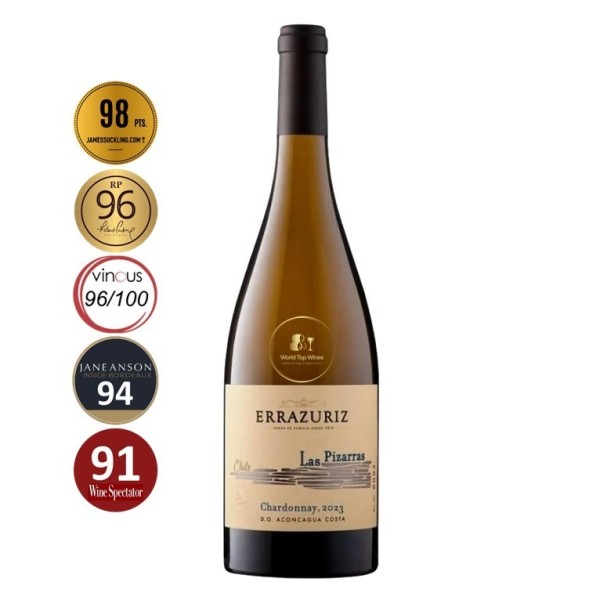
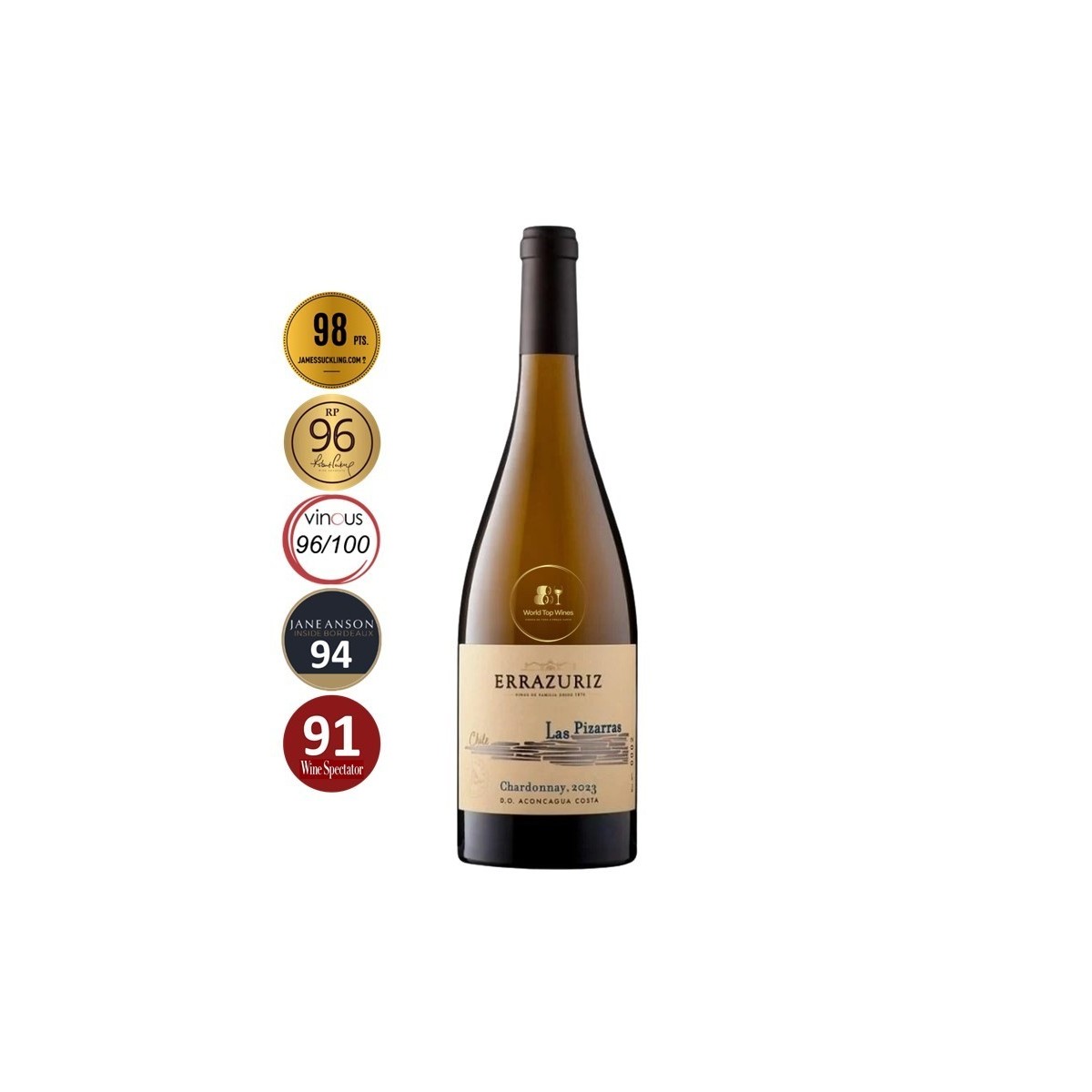
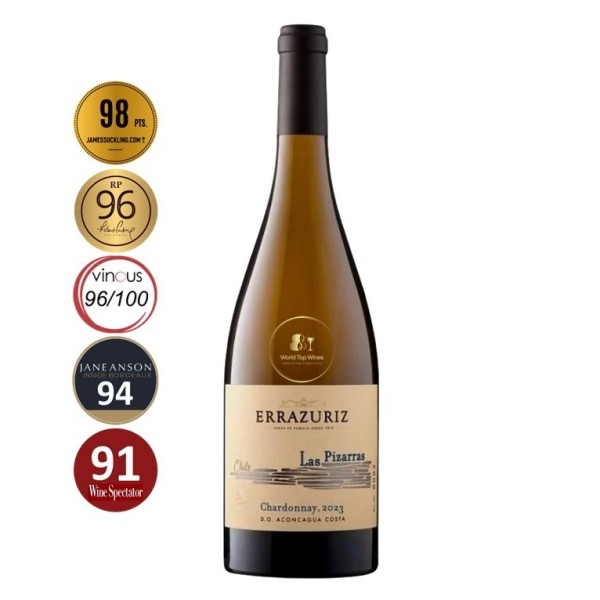
Errazuriz 'Las Pizarras' 2023
Out-of-Stock
€49.72
VAT included
Errazuriz Las Pizarras 2023
Errazuriz Las Pizarras 2023 is the great terroir white wine from the historic Viña Errazuriz, a winery founded in 1870 and a pioneer in the Aconcagua Valley. The grapes come exclusively from the Aconcagua Costa estate, a few kilometres from the Pacific, in very specific plots planted on schist rock, the “pizarras” that give the wine its name and place it at the top of Chilean Chardonnays. In 2023, the climate remained relatively cool for the region, resulting in a tense, mineral and very vibrant Las Pizarras, with ripe fruit, but without excess, and a well-marked acidity that promises several years of evolution in the cellar.
Vinification: Manual harvest, plot by plot. The must ferments in French oak barrels (12% new), with prolonged contact with fine lees and only 35% malolactic fermentation, to preserve the Atlantic freshness. This is followed by 12 months of ageing in barrels, until the balance between density, precision and salty elegance is found.
Tasting Notes: Bright straw yellow colour. The nose opens with white flowers, green apple and lemon, followed by notes of peach, subtle papaya, dried fruit, pastry dough and a slight hint of herbs and aniseed. Full-bodied on the palate, but very focused: unctuous attack, “electric” acidity, almost stony mineral texture and a long, salty and deeply gastronomic finish. A great Chardonnay from Aconcagua Costa, perfect for fatty fish, seafood and elegant Asian cuisine.
Grape Varieties: 100% Chardonnay
- Wine Type
- White Wine
- Format
- 0,75L
- Vintage
- 2023
- Country
- Chile
- Region
- Aconcagua Valley
- The highest scoring
- James Suckling 97 to 99 Points
- Robert Parker
- RP96
- Wine Spectator
- 91
- James Suckling
- 98
- Jane Anson (inside Bordeaux)
- 94
- Vinious
- 96
Brilliant straw yellow. Orange and lemon blossoms, fresh citrus peel. Savoury minerality, with the flinty edge offset by a hint of creaminess; medium length. Grown on the slopes of three plots, covering 4.8 hectares, characterised by slate, clay and loam, and the way the substratum weathers along deep vertical fissures, allowing for deep root systems. 12% new French oak.
The 2023 Las Pizarras Chardonnay represents another benchmark iteration of this bottling. It fermented and aged in 300- and 400-liter barrels, with 12% being new, and it underwent partial malolactic conversion. It opens with a crystal-clear nose of stone fruits, white flowers and citrus zest, enlivened by an oceanic freshness. On the palate, it perfectly balances vibrant energy and textural breadth, culminating in a snappy, energetic and focused finish with impressive length—a definitive example of contemporary Chilean Chardonnay.
The 2023 Chardonnay Las Pizarras was fermented entirely in barrel, 12% new, with extended lees-contact and 35% total malolactic fermentation. The 2023 retains the purity that established this cuvée’s stature among Chilean coastal Chardonnays but also moderates the austere style to a certain extent. Pure aromas of herbs and green apple emerge, along with orange blossom, hints of papaya and fennel, and a touch of anise. Ginger and beeswax develop with aeration. Moderately rich in the glass, the wine’s bright lime flavors contrast with a creamy note on the palate. The profile is notably reductive, with nuances of slate adding tension and a talc-like texture. Delicious.
A sleek and subtly rich style, with grilled pineapple and Meyer lemon flavors at the center, flanked by salty, mouthwatering elements and hints of sage and thyme on the finish. Drink now. 700 cases made, 100 cases imported.
An intense chardonnay with aromas of chalk, warm bread, brioche, seashells, stones and lemon zest. Less limey and a bit riper than usual, with a medium- to full-bodied palate and a chalky, mouthwatering finish. The zesty citrus and green apple flavors are strong. This is more complete and less austere and crystal clear than many of their previous vintages, with a richer mouthfeel. Saline and pithy in the finish, with length that’s all about pure lemon zest and seashells. Extension of lees contact to around six months helps increase the texture, with around 35% malolactic fermentation.
No reviews
Comments (0)
Tap to zoom